Introduction
Life support is a crucial area that bridges emergency reaction and treatment, functioning as the frontline protection versus deadly cardiovascular occasions. Within this world, particular methods can considerably influence person results. One such technique is the compression deepness throughout cardiopulmonary resuscitation (MOUTH-TO-MOUTH RESUSCITATION). Lower Compression Depth: Why It Matters in Life Support is an essential subject that emphasizes the relevance of efficient CPR methods. In this write-up, we will discover the importance of compression depth, comparing standard vs sophisticated life assistance procedures, comprehending health center codes and protocols, and emphasizing the role of public defibrillator usage.
Understanding Compression Deepness in Life Support
The Fundamentals of CPR
When somebody experiences cardiac arrest, prompt action can be the difference in between life and death. Mouth-to-mouth resuscitation involves several elements: inspecting responsiveness, identifying no breathing, and administering breast compressions. The depth and rate of these compressions are vital for keeping blood flow up until specialist assistance arrives.
What Is Compression Depth?
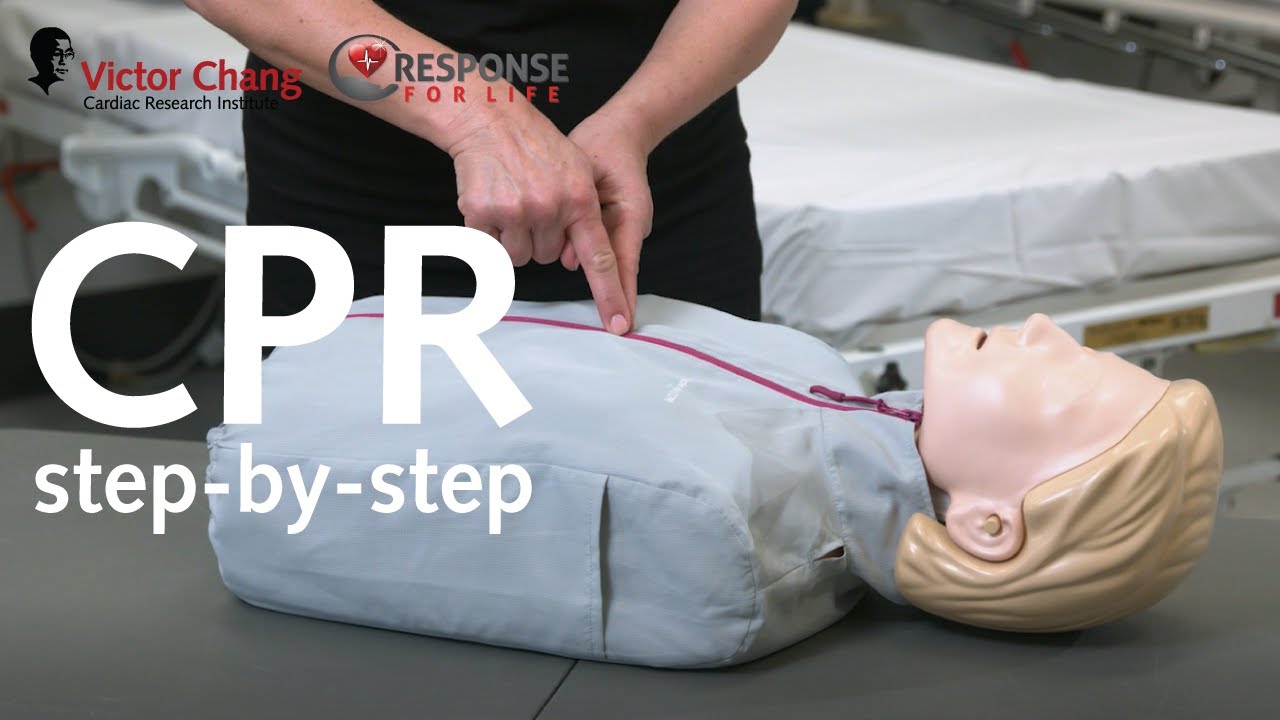
Compression deepness describes exactly how deep you lower on the breast throughout mouth-to-mouth resuscitation. The American Heart Organization (AHA) suggests a compression depth of a minimum of 2 inches (5 centimeters) for grownups, while youngsters need a little less. Nevertheless, a lower compression deepness-- while much easier for rescuers-- can bring about insufficient blood circulation to important organs.
Lower Compression Depth: Why It Matters in Life Support
The Scientific research Behind Effective Compressions
Research has actually revealed that deeper compressions are a lot more effective at producing blood circulation throughout heart attack. When compressions are as well shallow, the heart might not sufficiently replenish with blood in between compressions, leading to lowered perfusion stress-- a crucial variable for survival.
Risks Connected with Lower Compression Depth
While it might appear tempting to lower compression deepness for convenience or comfort throughout CPR, doing so can have alarming effects:
- Ineffective Blood Blood circulation: Shallow compressions prevent blood flow to crucial organs. Increased Danger of Brain Damage: The mind is highly conscious oxygen starvation; insufficient perfusion can result in irreversible damage. Higher Mortality Prices: Studies show that targets obtaining appropriate compression midsts have better survival rates.
Basic vs Advanced Life Assistance Techniques
What Constitutes Basic Life Support (BLS)?
Basic Life Support consists of vital abilities like checking responsiveness and identifying no breathing. BLS certification gears up people with the knowledge required to carry out efficient CPR. For example:
- Checking Responsiveness: Gently shaking or touching the casualty. Identifying No Breathing: Observing for chest rise or paying attention for breath sounds.
BLS concentrates mainly on cpr training chest compressions and rescue breaths when necessary.
Advanced Life Support (ALS) Explained
Advanced Life Assistance involves extra complicated interventions such as:
- Medications Administration: Providing medications using IV or other routes. Advanced Air passage Administration: Using gadgets like intubation tubes. Monitoring Heart Rhythm: Making use of ECG gadgets to recognize arrhythmias.
ALS professionals typically operate in tandem with BLS providers to make sure detailed treatment throughout emergencies.

Hospital Codes and Methods: A Lifeline in Emergencies
Understanding Emergency Codes
Hospitals run under details codes that signify different emergency situations. Familiarity with these codes can improve interaction amongst healthcare providers throughout a crisis. Common codes include:
- Code Blue: Shows a medical emergency situation requiring resuscitation. Code Red: Signals a fire or smoke event.
Understanding these procedures makes sure timely responses from certified personnel.
Importance of Protocols in Resuscitation Efforts
Protocols dictate just how medical care professionals respond during emergency situations:
Standardization: Guarantees consistent application of life-saving techniques. Training Demands: Requireds routine training sessions for team on updated procedures. Quality Guarantee: Regular evaluations help maintain high criteria in client care.Public Defibrillator Use: Bridging Spaces in Emergency Situation Care
What Are Public Defibrillators?
Public Gain access to Defibrillators (PADs) are devices put in community locations to provide immediate treatment for abrupt heart attack victims before EMS arrives. They supply an electrical shock to bring back regular heart rhythm.
How Public Defibrillators Enhance Survival Rates
Studies reveal that early defibrillation integrated with proper mouth-to-mouth resuscitation considerably enhances survival results:
- Rapid Reaction Possibility: Accessing PADs can save precious minutes. User-Friendly Design: A lot of public defibrillators offer step-by-step voice triggers for users.
BLS Certification: A Critical Ability Set
Why Seek BLS Certification?
Obtaining BLS qualification gears up individuals with lifesaving abilities relevant across numerous situations-- from office cases to public celebrations. The training covers:
Recognizing cardiac arrest symptoms Performing high-grade upper body compressions Using AEDs effectivelyEngaging in BLS courses promotes self-confidence amongst participants and prepares them for real-world emergencies.
Identifying No Breathing: Trick Indicators
Signs That Indicate No Breathing
Recognizing when somebody has actually stopped breathing is vital:
Absence of upper body movement No audible breathing sounds Bluish color around lips or fingertipsTaking speedy activity upon determining no breathing can considerably impact outcomes.
Taking Turns on Compressions: Maintaining Effectiveness
The Significance of Rotating Rescuers
Fatigue is a considerable element impacting mouth-to-mouth resuscitation high quality gradually; for this reason taking turns on compressions ends up being vital:
Maintain Excellent quality: Revolving every two mins keeps compressions effective. Prevent Rescuer Tiredness: Ensure each participant remains fresh throughout the resuscitation process.Slow Compression Price vs Fast Compressions
Finding the Right Balance
While it's vital not to rush compressions, being excessively slow-moving can also be detrimental:
Aim for 100-- 120 compressions per minute. Use tunes like "Stayin' Alive" by Gees as a rhythmic guide!Balancing speed makes sure adequate blood circulation without endangering technique quality.
Maintaining Composure Under Pressure
Strategies for Staying Tranquility Throughout Emergencies
Maintaining composure is important when responding to emergency situations; right here's how you can remain tranquil:
Focus on Breath Control: Deep breaths help manage stress and anxiety levels. Follow Procedures: Stick closely to established guidelines minimizes uncertainty. Visualize Success: Image effective end results before starting action.By remaining composed, responders improve their efficiency throughout life-saving efforts.
Checking Casualty's Breathing Prior to Acting
Why This Step Matters
Before jumping into action, examining a casualty's breathing makes certain targeted feedbacks straighten with their requirements:
Differentiate Between Heart attack & & Other Problems: Tailor reactions accordingly based upon their condition. Avoid Unnecessary Actions: Making certain correct assessment minimizes dangers associated with wrong interventions.FAQs Regarding Lower Compression Depth and Its Importance
Q1: What happens if I push too hard throughout chest compressions?
A1: While pushing too hard may cause rib fractures or various other injuries, it's crucial that correct technique focuses on blood flow over potential harm-- look for balance!
Q2: Just how commonly must I take turns doing compressions?
A2: It's advised that rescuers turn every 2 mins or earlier if worn down-- to maintain top quality compressions!
Q3: Can I carry out mouth-to-mouth resuscitation on someone who has a pulse?
A3: No! If they have a pulse however aren't taking a breath usually, offer rescue breaths rather; avoid unnecessary chest compressions!
Q4: How do I figure out where public defibrillators are located?
A4: Numerous neighborhood businesses show indications showing pad areas; applications also exist mapping nearby devices!
Q5: Are there any kind of risks included with making use of AEDs?
A5: Normally secure! AEDs lead individuals via steps-- simply adhere to motivates thoroughly when using them!
Q6: Will certainly my BLS qualification expire?
A6: Yes-- it usually requires revival every 2 mental health first aid course brisbane years relying on training supplier policies!
Conclusion
In final thought, recognizing concepts bordering lower compression depth is essential in boosting life support strategies across varied atmospheres-- from casual bystanders outfitted just with basic skills right with advanced doctor applying intricate protocols within hospitals! By welcoming extensive training programs such as BLS certification while sticking strictly throughout emergency scenarios-- individuals stand positioned versus fate itself making sure lives continue to be maintained amidst chaos! So following time you discover yourself entrusted with executing CPR remember these understandings about compression depths-- they just could conserve a person's life!